


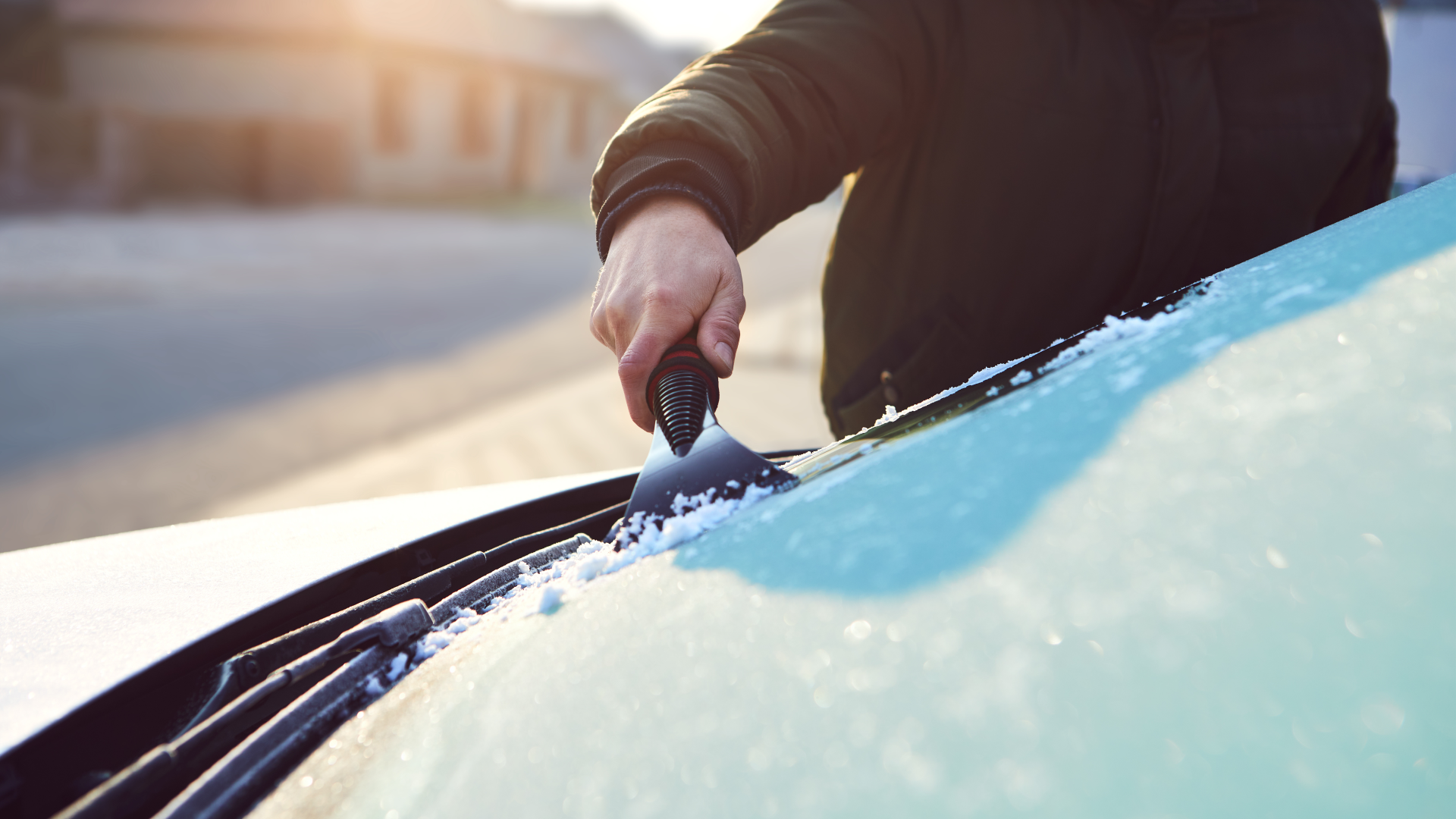
During the winter months, every motorist encounters the same daily frustration: stepping outside to discover a frozen windscreen. We find ourselves scraping with an intensity that would rival an Olympic athlete, often questioning the structural integrity of the glass.
However, de-icing your vehicle correctly is more than a matter of convenience; it is a critical step for road safety and long–term surface preservation.
In this guide, we explore professional methods to efficiently clear your glass, avoid common marring techniques, and ensure your morning routine remains seamless while keeping your glasswork in concours condition.
Why it is important to defrost properly
De-icing your windscreen may seem trivial, yet it is a critical step for safe driving. Even a few millimetres of ice or frost can drastically impair your visibility, especially when spotting pedestrians, cyclists, or road signs. A short journey in freezing conditions can quickly become hazardous if your field of vision is compromised.
However, the risks extend beyond safety. Improper techniques, such as aggressive scraping, pouring hot water, or using unsuitable objects, can damage the glass, cause micro-cracks, or prematurely wear down rubber seals and wiper blades. These seemingly harmless habits can lead to significant repair costs precisely when garages are at their busiest during winter.
Simply put, correct de-icing isn’t just about saving time: it’s about safeguarding your security, your vehicle, and your finances. With professional techniques, you can transform this winter chore into a swift, efficient routine, free from unnecessary stress or risk.
The dangers of poor visibility in winter
⚠️Increased accident risk: A windscreen obscured by frost or mist significantly reduces your field of vision. It only takes a crossing pedestrian, a sudden cyclist, or a vehicle braking sharply for danger to manifest. Reaction times are delayed, and the safety margin becomes virtually non-existent. On already slippery winter roads, poor visibility acts as a risk multiplier for collisions.
💸Fines and penalties: Driving with a partially obstructed windscreen is not just reckless; it is an offence under the Highway Code.
The result: a fixed penalty notice added to your morning chores—one that could have been avoided with a few extra seconds of de-icing.
🤕 Premature vehicle wear: Aggressive scraping or using makeshift tools (loyalty cards, knives, or improvised metal scrapers) can cause marring on the glass. These micro-scratches, often invisible at first, create distracting glare from low winter sun or oncoming headlights. As for your wiper blades, operating them on a frozen surface leads to accelerated wear: torn rubber, reduced clearing efficiency, and premature replacement.
In summary, correctly de-icing your windscreen is not a matter of comfort. It is a fundamental issue of road safety and vehicle preservation. And let’s face it: starting the day with a clear view is simply much more agreeable.
Conventional methods: Practices to avoid or optimise
Certain habits are so deeply ingrained in our winter routines that we might assume they are harmless. After all, if ‘everyone does it’, surely it must work? Well, not exactly. Many old wives’ tales or improvised solutions born from morning haste may appear effective in the moment… but they often harbour hidden risks for both your safety and your vehicle.
Beware of nasty surprises: what saves you two minutes today could prove very costly tomorrow.
The scraper and hot water: Unreliable allies
Careless scraping :
Reaching for the ice scraper and scrubbing frantically is often the first instinct when faced with a frozen windscreen. However, this method can quickly backfire.
Aggressive scraping or using a poor-quality tool risks leaving micro-marring on the glass. Initially invisible, these marks evolve into distracting glares as soon as the sun rises or when oncoming headlights dazzle you at night. Furthermore, excessive pressure can damage the rubber seals surrounding the glass, compromising their watertightness and overall lifespan.
The result: what was meant to be a quick fix can, over time, weaken the very structure of your glasswork.
Pouring hot water
This is a so-called “miracle” tip that has circulated for generations… yet it is arguably one of the worst winter false friends. The thermal shock between the frozen glass (often at sub-zero temperatures) and hot water can cause an immediate fracture.
Even if the glass doesn’t shatter instantly, invisible stress fractures can develop. These weaken the windscreen’s integrity and can expand due to temperature fluctuations or road vibrations. Furthermore, even lukewarm water often perceived as harmless can be enough to compromise modern glass, which is engineered for impact resistance but remains highly sensitive to extreme thermal gradients.
In summary, scraping like a maniac or pouring hot water are “quick fixes” that offer the illusion of efficiency while jeopardising your windscreen. They are true false friends: they seem helpful in the heat of the moment but can leave you with a hefty repair bill later on.
Ineffective engine idling
Many believe that simply leaving the car to run will melt the frost away. In reality:
- It leads to unnecessary fuel consumption.
- The heating system often takes significantly longer to clear the windscreen than targeted solutions like a high-quality de-icer spray.
- Furthermore, if interior condensation forms, you will still be required to manually clear the glass.
From a detailing perspective, prolonged idling is an inefficient use of resources and offers no protection to your glasswork.
Effective solutions for rapid de-icing
To de-ice efficiently while prioritising both safety and the integrity of your windscreen, certain methods clearly stand out. Simple, effective, and entirely safe, these professional techniques allow you to save time in the morning without risking damage to your vehicle’s exterior surfaces.
Rain-X De-icer Spray: De-icer + Rain Repellent
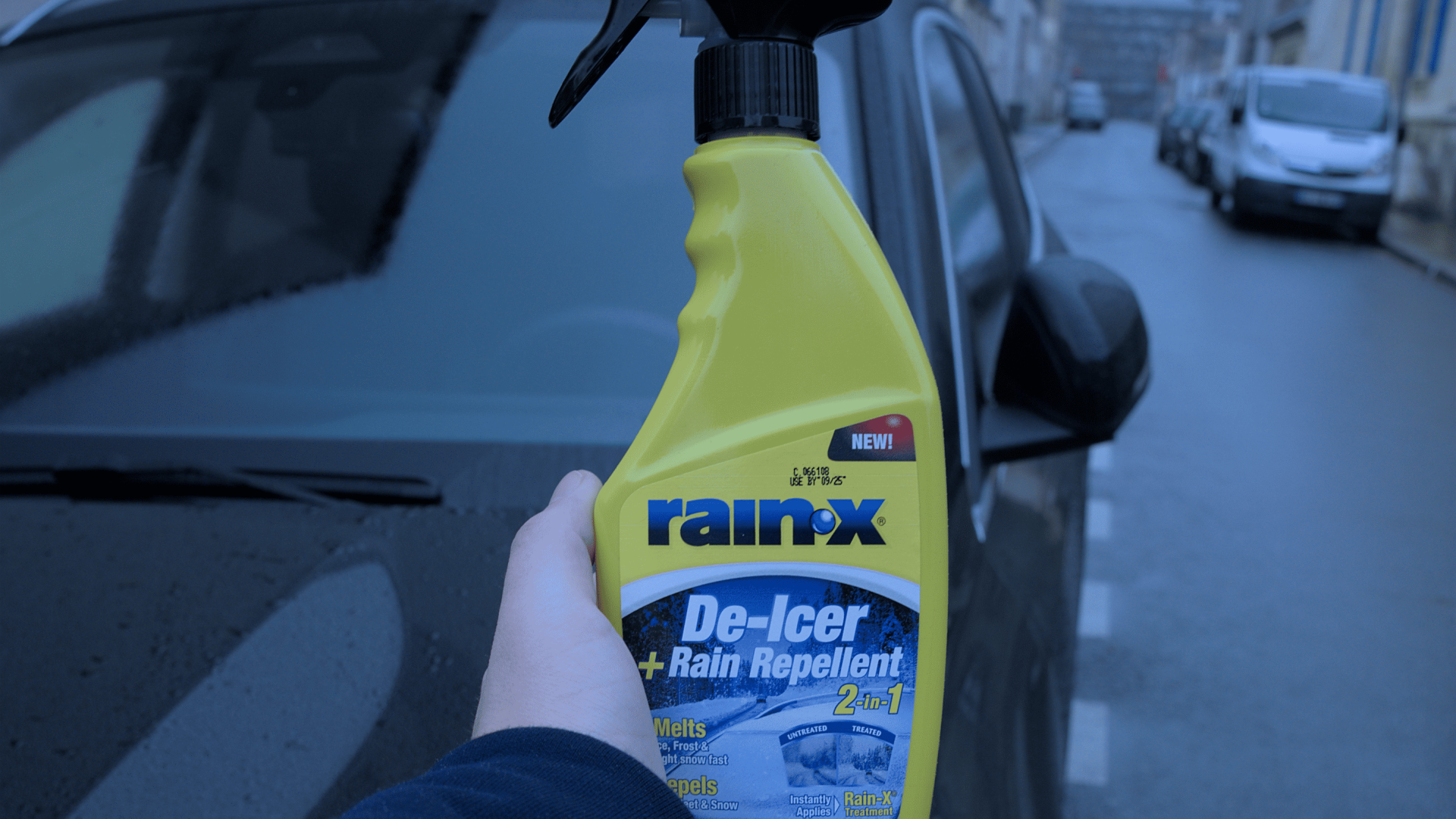
For an efficient de-icing routine that simplifies your winter mornings, Rain-X De-icer with Rain Repellent proves to be a practical and high-performance ally.
- Rapid and practical: A few sprays are enough to melt frost, ice, and even light snow almost instantaneously. No more long minutes spent scraping vigorously; it allows you to save time and start your journey with peace of mind.
- Hydrophobic formula: Thanks to its integrated rain repellent treatment, the product beads water away and limits the formation of frost or mist in the following hours. Your windscreen remains clearer for longer and is far easier to maintain, even in changeable weather.
- Streak-free finish: Unlike DIY products or improvised solutions, this spray leaves no sticky film or residue. The surface remains clean, clear, and perfectly smooth, ensuring optimal visibility and safer driving.
In addition to using a hydrophobic de-icer, employing a windscreen cover is a simple yet incredibly effective solution to prevent frost from forming in the first place.
Additional expert tips
To go even further in prevention and make de-icing easier, a few simple habits can make a significant daily difference.
🧽 Soft-blade scrapers: Choosing a scraper with a flexible plastic blade allows you to remove frost without the risk of scratching the windscreen. Even a fine micro-scratch can become distracting under low morning sun or oncoming headlights. By opting for a specialised tool, you protect your glasswork while de-icing effectively.
😶🌫️ Interior anti-fog: Condensation is usually the next big issue after ice. Using an anti-fog treatment on the inside of the windshield cuts down on moisture and stops fogging as your car heats up. You get maximum visibility immediately and spend less time wiping down the glass.
🚗 Smart parking: Whenever you can, park facing south or under cover. This small move limits ice buildup and often means a clearer windshield when you wake up, saving you time and avoiding the need for heavy-duty scraping.
Pairing these habits with a solid defrosting spray or glass coating makes winter mornings way more manageable and safe.
Why choose Rain-X De-icer with Rain Repellent?
Rain-X De-icer + Rain Repellent delivers instant efficiency: in just a few seconds, frost, ice, and light snow vanish from your windscreen, allowing you to set off quickly even on the coldest mornings.
Easy to use: simply apply the de-icer spray, let it dwell for a few moments, and wipe away with a soft cloth or a scraper. No complex procedures, no risk to the glass, and you can even complement the treatment by using a seasonal screenwash.
In addition to instant defrosting, its long-lasting water-repellent finish helps prevent ice buildup and makes future cleaning a breeze. Every application makes your glass more weather-resistant, saving you time and giving you peace of mind all winter long.
With Rain-X, defrosting your windshield is almost a treat… okay, almost.
The final words
Correctly de-icing your windscreen in winter is not merely a matter of comfort: it is, above all, an issue of safety, visibility, and vehicle preservation. By combining professional methods with a few simple habits, you can transform this morning chore into a swift and efficient routine.
For more expert advice on maintaining your glasswork, feel free to consult our dedicated article on the subject.
👉 How to clean your car window effectively: a guide to streak free visibility